
Introduction to Inventory Management in E-commerce
Inventory management plays a critical role in the success of e-commerce businesses by ensuring timely order fulfillment and customer satisfaction. Efficient inventory management can help in reducing operational costs and improving overall business performance. In the competitive landscape of e-commerce, effective inventory management strategies are essential for staying ahead of the competition.
One example illustrating the importance of inventory management in e-commerce is the case of an online retailer that implemented real-time data analytics and inventory tracking tools. By doing so, the retailer was able to make informed decisions regarding stock levels, leading to improved order fulfillment and customer satisfaction levels.
Challenges of Inventory Management in E-commerce
E-commerce businesses often face common challenges in inventory management, such as dealing with demand variations that can result in inventory imbalances and potential stockouts. Additionally, managing reverse logistics, including returns and exchanges, poses complexities in efficiently handling inventory. Seasonal fluctuations in demand require agile inventory management strategies to avoid the pitfalls of overstocking or understocking.
To illustrate, an e-commerce business struggled with seasonal demand spikes, leading to overstocking of certain products and stockouts of popular items. By implementing dynamic forecasting techniques and agile inventory replenishment strategies, the business was able to optimize inventory levels and prevent stockouts, thereby improving customer satisfaction and revenue.
Strategies for Optimizing Inventory Management
Employing dropshipping, hybrid strategies, and pre-purchase stocks are effective methods that e-commerce businesses can utilize to mitigate risks and enhance inventory control. Proper forecasting and demand planning play a critical role in determining reorder points and maintaining optimal stock levels. Leveraging real-time data analytics and inventory tracking tools can further enhance decision-making processes and overall inventory optimization.
For instance, a successful e-commerce business implemented a hybrid inventory management strategy that combined dropshipping for certain products with pre-purchase stocks for high-demand items. By analyzing real-time sales data and trends, the business optimized its inventory levels, reduced carrying costs, and improved order fulfillment efficiency.
Different Inventory Management Methods for E-commerce
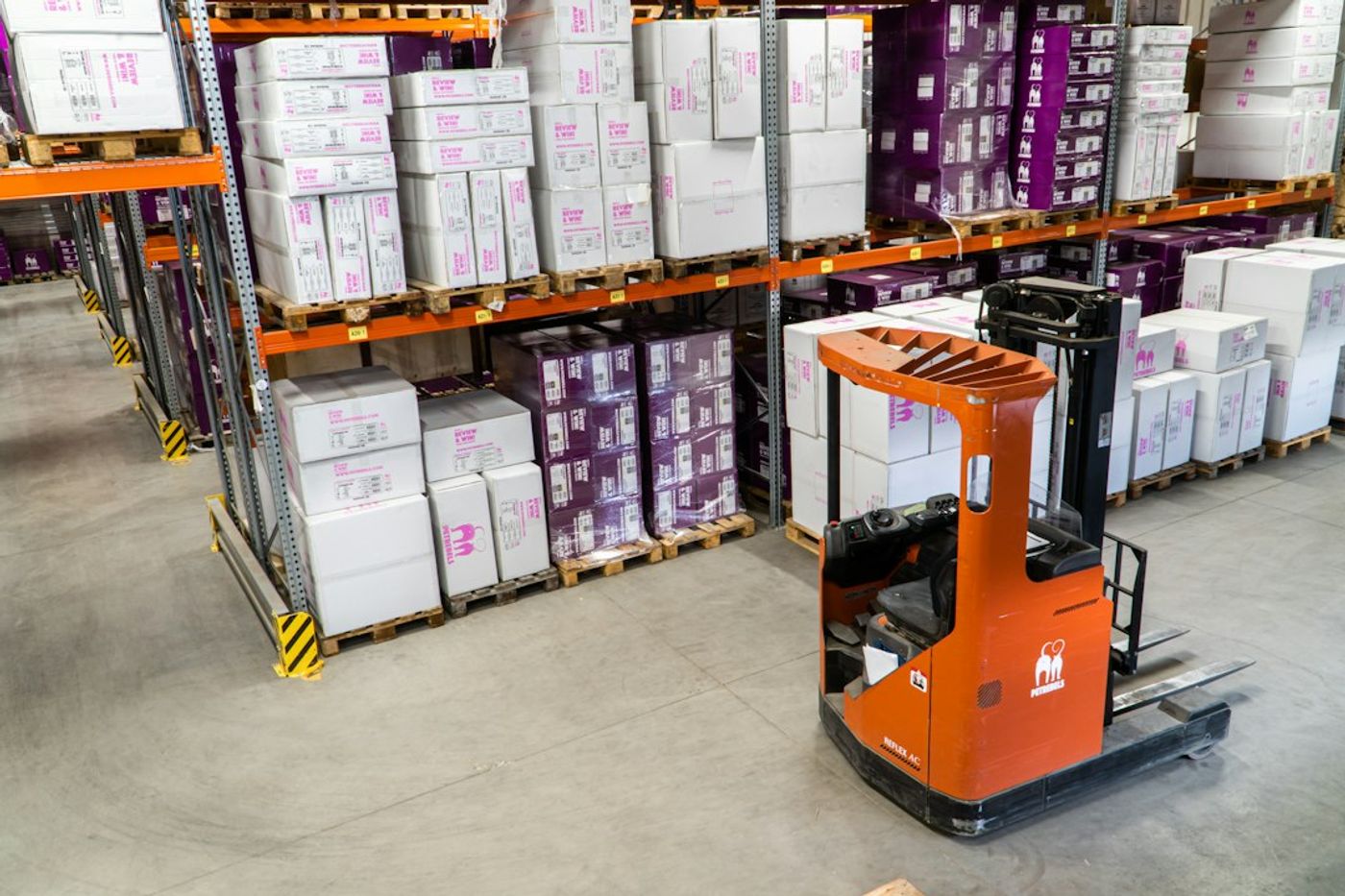
Implementing auditing techniques like full audit, cycle counting, and spot checking can help in maintaining inventory accuracy and preventing discrepancies. Utilizing kitting techniques and storage optimization strategies can maximize warehouse space and improve inventory management efficiency. Understanding inventory metrics such as inventory holding cost and inventory turnover rate is essential for evaluating the performance of e-commerce inventory management systems.
Conclusion: Importance of Strategic Inventory Management in E-commerce
Mastering inventory management is crucial for e-commerce businesses to streamline operations, optimize inventory levels, and enhance customer satisfaction. Drive Phase Consulting Drive Phase Consulting provides a modern, tech-driven solution to inventory management issues, helping businesses save time, reduce errors, and increase efficiency. Explore innovative inventory management solutions by visiting Drive Phase Consulting for tailored strategies to thrive in the era of e-commerce.
Growth Engine Score
Find out where your business is losing momentum
The Growth Engine Score is a paid diagnostic that maps all three layers of your business and shows you exactly what to fix first.
Get Your Growth Engine Score →